

close
Choose Your Site
Global
Social Media


Views: 0 Author: Site Editor Publish Time: 2025-12-25 Origin: Site


The choice between non-woven and woven materials plays a crucial role in selecting the right bags for various applications. Both materials have distinct properties that make them suitable for different uses, such as shopping, packaging, and promotional purposes. Non-woven bags are lightweight, cost-effective, and easily customizable, making them ideal for short-term or promotional needs. On the other hand, woven bags are known for their durability and strength, making them better suited for heavy-duty tasks or long-term use. In this article, we will delve into the differences, advantages, and ideal use cases of both types of bags, helping you determine the most suitable option for your specific needs.
Non-woven bags are made from synthetic fibers, typically polypropylene or polyester, that are bonded together using mechanical, chemical, or heat processes. Unlike woven fabrics, non-woven materials do not require weaving or knitting, making them easier to manufacture and more affordable. These bags are lightweight, durable, and versatile, offering a range of benefits that make them popular for both retail and promotional purposes.
Non-woven bags are commonly used for:
Shopping Bags: Retail stores use them to provide customers with eco-friendly alternatives to plastic bags.
Promotional Items: Customized non-woven bags are widely used at trade shows, corporate giveaways, and events.
Packaging: Non-woven bags are used in the food, cosmetics, and apparel industries for packaging products.
Non-woven bags come with several benefits, including:
Eco-friendly: Non-woven bags are reusable and recyclable, making them a sustainable choice.
Lightweight and Durable: Despite their lightweight nature, they are strong enough to carry a variety of items.
Affordable: They are relatively inexpensive to produce, making them a cost-effective option for businesses.
Woven bags are made by weaving fibers together to form fabric. These bags are often produced from natural materials such as cotton or jute, or synthetic fibers like polyester or nylon. The process of weaving fibers results in a strong, durable fabric that is ideal for carrying heavy loads.
Woven bags are used in a variety of settings, including:
Grocery Bags: Woven bags are often used for carrying groceries due to their strength and ability to support heavy items.
Tote Bags: They are commonly used as tote bags for fashion or practical purposes.
Heavy-Duty Packaging: Woven bags are ideal for packaging products like rice, flour, or construction materials.
Woven bags offer several advantages:
Strength and Durability: The weaving process creates a strong, sturdy material that can hold heavy items without breaking.
Reusable: Woven bags are highly durable and can be used for years without showing signs of wear.
Versatility: Woven bags can be customized in various sizes, colors, and designs for different purposes.
To make an informed choice between non-woven bags and woven bags, it is important to understand their key differences in terms of production, strength, cost, and environmental impact.
Factor | Non-Woven Bags | Woven Bags |
Production Method | Fibers are bonded together using heat, pressure, or chemicals | Fibers are interlaced through a weaving process |
Fabric Type | Soft, flexible, lightweight | Stiff, durable, and strong |
Customization | Easier and cheaper to customize (printing, logos, etc.) | More limited in customization; better for larger, heavier designs |
Cost | Lower production costs, more cost-effective for bulk manufacturing | Higher production costs due to the more complex weaving process |
While both non-woven and woven bags are durable, they differ in strength:
Non-Woven Bags: Suitable for lighter, everyday use, non-woven bags are strong enough to carry grocery items or promotional materials but may not be the best choice for carrying heavy loads.
Woven Bags: Woven bags are much stronger and more durable, making them ideal for carrying heavier items like books, groceries, or industrial products.
Non-Woven Bags: These are generally more cost-effective to produce and purchase due to the simpler manufacturing process. They are perfect for businesses looking to provide low-cost, eco-friendly bags in bulk.
Woven Bags: Woven bags are more expensive because of the more complex manufacturing process. However, they provide more durability, making them a better long-term investment for heavy-duty uses.
Both non-woven and woven bags have eco-friendly qualities, but their environmental impacts differ:
Non-Woven Bags: Often made from polypropylene, which is a plastic material. While non-woven bags are reusable and recyclable, they do contribute to plastic waste if not disposed of properly.
Woven Bags: Bags made from natural materials like cotton or jute are more sustainable and biodegradable. However, synthetic woven bags still have a significant environmental footprint due to their plastic composition.
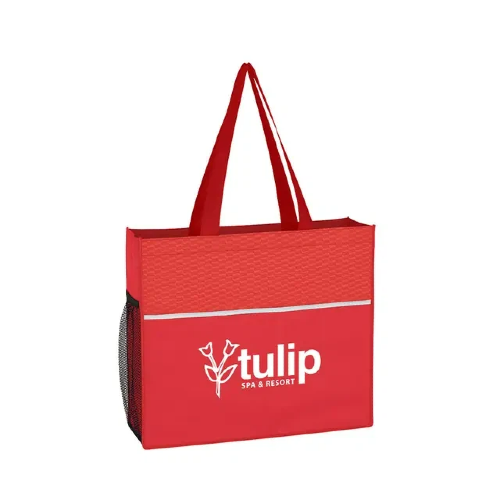
Non-woven bags are a great choice for:
Promotions and Giveaways: Non-woven bags are inexpensive to produce and can be easily customized with logos or designs for marketing purposes.
Retail Shopping: Lightweight, affordable, and practical, non-woven bags are widely used in retail environments.
Eco-Friendly Initiatives: Non-woven bags are an excellent alternative to plastic, helping businesses promote sustainable practices.
Non-woven bags are ideal for promotional purposes due to their affordability and customization options. Companies can print their logos, slogans, or designs on non-woven bags, making them an excellent marketing tool for giveaways and customer gifts.
Non-woven bags can be used many times, reducing the need for single-use plastic bags. Many non-woven bags are also recyclable, making them a more sustainable option compared to plastic.
Woven bags are better suited for:
Heavy-Duty Use: Woven bags are ideal for carrying heavy items like groceries, construction materials, or tools.
Long-Term Use: Due to their durability, woven bags are perfect for customers who need bags for long-term, repeated use.
Luxury or Fashion Bags: Woven bags made from high-end materials like cotton or jute are often used in the fashion industry.
Woven bags are much stronger and more durable than non-woven bags, making them ideal for carrying heavier loads. They can withstand the test of time and can be used for various heavy-duty tasks.
Woven bags can be customized with logos, designs, and colors, but they are generally more expensive to produce. These bags are more aesthetically pleasing and often used for fashion or luxury items.
Factor | Non-Woven Bags | Woven Bags |
Material Cost | Low-cost materials (polypropylene, polyester) | Higher material cost, especially if using natural fibers |
Manufacturing Cost | Lower production costs due to simpler manufacturing process | Higher production costs due to complex weaving process |
Customization Cost | Less expensive to print and customize | More expensive customization due to fabric structure |
Non-Woven Bags: These bags are generally more affordable and are sold at a lower price point. The low production cost makes them ideal for bulk distribution.
Woven Bags: Woven bags tend to be sold at a higher price due to their durability and higher production costs. These are better suited for customers willing to invest in long-lasting, premium-quality bags.
Both non-woven and woven bags offer distinct advantages depending on your specific needs. Non-woven bags are lightweight, cost-effective, and highly customizable, making them an excellent choice for promotional events and retail purposes. Their affordability and eco-friendly nature make them perfect for businesses seeking a budget-friendly and sustainable option.
On the other hand, woven bags are more durable and stronger, making them ideal for heavy-duty use or long-term applications. If you require bags that can handle more weight and are built to last, woven bags would be the preferred choice.
At Zhejiang Bicheng New Material Co., Ltd., we specialize in both non-woven and woven bags, offering a range of options that cater to different business needs. Whether you’re looking for an affordable, eco-friendly promotional product or durable, long-lasting packaging, we provide high-quality solutions to meet your requirements.
Feel free to contact us to learn more about how our non-woven and woven bags can help enhance your brand and meet your packaging needs. We’re here to offer expert advice and tailored solutions for your business.
Non-woven bags made from polypropylene are recyclable, but woven bags made from natural fibers like cotton or jute are more biodegradable and environmentally friendly.
Woven bags are stronger and more durable than non-woven bags, especially when carrying heavy items. Non-woven bags are suitable for lighter tasks.
Yes, non-woven bags are easier and less expensive to customize with logos, designs, and colors, making them a popular choice for promotional purposes.
Non-woven bags are generally more cost-effective to produce and purchase, making them ideal for bulk manufacturing and budget-conscious businesses.
Yes, woven bags are more durable and better suited for long-term use, especially for carrying heavy loads.


