

close
Choose Your Site
Global
Social Media


Views: 0 Author: Site Editor Publish Time: 2025-10-27 Origin: Site


Non-woven bags have become a prominent and eco-friendly alternative to traditional plastic bags. With growing environmental awareness, many consumers and businesses are turning to non-woven bags as a more sustainable solution for packaging and carrying goods. But what exactly does a non-woven bag mean, and why is it so widely adopted?
A non-woven bag is made from synthetic fibers that are bonded together through heat, chemicals, or mechanical processes. Unlike traditional woven fabrics, which are made by interlacing threads, non-woven fabrics are created without weaving or knitting. These bags are durable, lightweight, and versatile, making them a popular choice for various applications.
Non-woven bags are commonly used for grocery shopping, packaging, promotional materials, and more. Due to their strength and cost-effectiveness, they have gained considerable popularity in the global market.
The term non-woven refers to the manufacturing process of the fabric. Instead of using yarns or threads to weave a fabric, non-woven materials use a bonding technique to create a sheet of fabric from individual fibers, making it a versatile option for many industries.
Non-woven bags come in various styles and designs to suit different needs. Below are some of the most common types:
Spunbond Non-Woven Bags: These are made by the spunbond method, where continuous filaments are extruded and laid in a random pattern, creating a fabric that is both strong and lightweight. These bags are often used for shopping, retail, and promotional purposes.
Needle-Punched Non-Woven Bags: In this process, fibers are interlocked using needles, creating a dense, durable material. Needle-punched non-woven bags are more robust than spunbond types and are often used for industrial applications.
Meltblown Non-Woven Bags: These are made by forcing molten polymer through tiny nozzles onto a conveyor belt, creating fine fibers. Meltblown bags are typically softer and are used for applications requiring high absorbency, such as medical and hygiene products.
Laminate Non-Woven Bags: Some non-woven bags are laminated to enhance their strength and durability. The laminated versions often come with a smooth finish and are ideal for promotional bags or those that need to carry heavy loads.
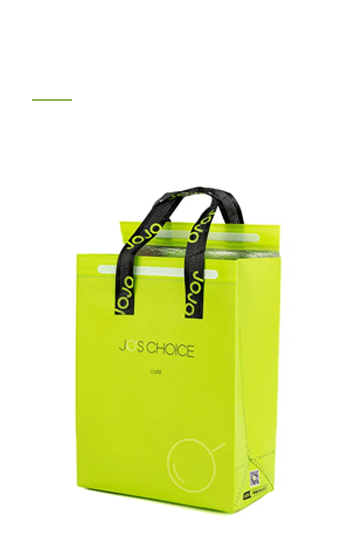
The popularity of non-woven bags can be attributed to the numerous benefits they offer. Some of the key advantages include:
One of the main reasons non-woven bags have gained traction is their eco-friendly nature. Unlike plastic bags, which take hundreds of years to decompose, non-woven bags are made from materials that are more easily recyclable. They are often produced using fewer resources, which helps reduce their environmental impact.
Despite being lightweight, non-woven bags are remarkably strong. They can withstand significant weight, making them ideal for carrying groceries, books, and other items. The material is tear-resistant and can handle a substantial load, ensuring they last longer than traditional plastic bags.
Non-woven bags are designed for reuse, making them a more sustainable option compared to single-use plastic bags. These bags can be used multiple times, which helps reduce waste and the need for frequent replacements. Many consumers use non-woven bags for various purposes, including shopping, carrying personal items, and even as storage bags.
One of the most appealing features of non-woven bags is their customizability. These bags can be printed with logos, designs, and other branding elements, making them a popular choice for businesses looking to promote their brand. Custom printing options allow companies to create personalized bags for special events, marketing campaigns, and giveaways.
Non-woven bags are cost-effective to produce and purchase, making them an attractive alternative for both businesses and consumers. Given their low production cost and long lifespan, non-woven bags provide excellent value for money.
The process of making non-woven bags involves several key steps. Here is a breakdown of the typical production process:
The first step in the production of non-woven fabric is preparing the fibers. These fibers can be made from polypropylene, polyester, or other synthetic materials. The fibers are processed to ensure they are uniform in size and texture.
Once the fibers are prepared, they are bonded together through one of several methods:
Spunbonding: In this process, the fibers are spun into filaments and then laid in a web-like pattern. The web is then bonded using heat or pressure.
Needle-Punching: Fibers are mechanically interlocked using needles to create a dense and durable fabric.
Meltblowing: The polymer is melted and extruded into fine fibers, which are then laid on a conveyor belt to create the fabric.
After the fabric is formed, it undergoes finishing processes such as dyeing, printing, or laminating to enhance its appearance and functionality.
Once the non-woven fabric is finished, it is cut into the required shapes and sizes to create the bags. The bags are then sewn together, and additional features like handles, zippers, or closures may be added.
When comparing non-woven bags to other types of bags, it's clear that each type has its advantages and drawbacks. Let's take a look at how non-woven bags compare to some of the most popular alternatives:
| Feature | Non-Woven Bags | Plastic Bags | Cotton Bags | Paper Bags |
|---|---|---|---|---|
| Durability | High | Low | Medium | Medium |
| Reusability | High | Low | High | Low |
| Eco-Friendliness | High | Low | Medium | Medium |
| Cost | Low | Low | High | Medium |
| Customization | High | Low | High | Medium |
While plastic bags are still widely used, they are extremely harmful to the environment. Non-woven bags, on the other hand, are more eco-friendly and can be reused many times. The production process of non-woven bags also has a lower carbon footprint compared to plastic bags.
Cotton bags are highly durable and eco-friendly but are more expensive to produce than non-woven bags. Non-woven bags provide a more affordable option without compromising too much on durability.
Paper bags are biodegradable but are not as durable as non-woven bags. They also have a higher environmental cost due to the deforestation required for paper production. Non-woven bags are more cost-effective, durable, and reusable compared to paper bags.
When selecting a non-woven bag, several factors should be considered to ensure you choose the right one for your needs:
Purpose: Consider what the bag will be used for. If you need a bag for shopping or carrying groceries, opt for a durable, medium-sized bag with handles. If you're looking for a promotional item, choose a bag that can be easily customized with your logo.
Material: Non-woven bags come in different materials, such as polypropylene or polyester. Choose a material that suits your intended use. For example, polypropylene is lightweight and suitable for everyday use, while polyester is stronger and better for carrying heavier items.
Design and Size: Non-woven bags are available in various sizes and designs. Make sure to choose a size that fits your needs. For instance, small bags are great for promotional giveaways, while larger bags are better for carrying heavy items.
Customizability: If you're purchasing non-woven bags for business purposes, ensure that the bags can be easily customized. Custom printing options are available for most non-woven bags, allowing you to add your branding.
Yes, non-woven bags are designed to be reusable. Their durability allows them to withstand multiple uses, making them an eco-friendly alternative to single-use plastic bags.
While non-woven bags are not fully biodegradable, they are recyclable and more eco-friendly than plastic bags. They can be reused many times, reducing the need for disposal.
Yes, non-woven bags are strong and durable, making them suitable for carrying heavy items such as groceries, books, and electronics.
Non-woven bags can typically be cleaned by wiping them down with a damp cloth. Some bags may also be machine washable, but it is important to check the manufacturer's care instructions.
Yes, non-woven bags can be easily customized with logos, designs, and other branding elements. Many manufacturers offer printing services to personalize the bags for businesses or special events.
Non-woven bags have a lower environmental impact compared to plastic bags. They are made from recyclable materials, are reusable, and have a longer lifespan, which helps reduce waste.
In conclusion, non-woven bags are a durable, eco-friendly, and cost-effective solution for various packaging and carrying needs. Their versatility, strength, and reusability make them a preferred choice for consumers and businesses alike. Whether you're using them for shopping, promotional purposes, or industrial applications, non-woven bags offer a reliable and sustainable option that benefits both you and the environment.


