

close
Choose Your Site
Global
Social Media


Views: 0 Author: Site Editor Publish Time: 2025-12-04 Origin: Site


Plastic bags and paper bags are two of the most commonly used types of packaging in daily life, each with its own advantages and disadvantages. While plastic bags are lightweight, durable, and inexpensive, they are often criticized for their environmental impact, particularly due to their long decomposition time and contribution to ocean pollution. On the other hand, paper bags are considered a more eco-friendly alternative, being biodegradable and recyclable, but they are often perceived as less durable and more expensive. As environmental concerns grow, understanding the differences between plastic and paper bags becomes increasingly important. This comparison looks at their environmental impact, durability, cost, practicality, and disposal methods to help consumers and businesses make more informed, sustainable choices.
Plastic bags pose significant environmental challenges. They take hundreds of years to decompose, accumulating in landfills and oceans, where they contribute to pollution. Marine life is particularly affected, with animals mistaking plastic for food, leading to ingestion, suffocation, or entanglement. Additionally, plastic bags break into microplastics, which enter the food chain, causing long-term damage to ecosystems.
Paper bags are biodegradable, breaking down quickly and causing less long-term environmental harm. Made from renewable resources, such as recycled paper or sustainably sourced wood pulp, they are easily recyclable. Paper bags decompose naturally and, if recycled, can be repurposed into new products. However, their production can be energy-intensive, especially when made from virgin pulp.
In terms of carbon footprint, plastic bags have a lower environmental cost during production, as they require less energy to make. However, their long lifespan in landfills and oceans creates a lasting environmental impact. On the other hand, paper bags have a higher carbon footprint during production but have a lower long-term environmental cost due to their biodegradability and recyclability. The carbon footprint of both types depends on production practices, recycling rates, and disposal methods.
Plastic bags are known for their strength and flexibility. They are lightweight but can carry a relatively high amount of weight without tearing. Their water resistance is another significant advantage, making plastic bags ideal for carrying wet items like produce or liquids. They do not absorb moisture, keeping their contents protected even in rainy conditions. Plastic bags also tend to resist tearing, and their flexible nature allows them to stretch and adapt to different shapes, making them suitable for a wide range of uses, from groceries to household items.
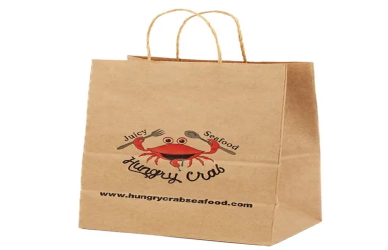
Paper bags' strength varies depending on the material used. For example, kraft paper bags, made from strong, unbleached paper, offer greater durability compared to other types of paper. They are strong enough for light to moderate weight items like books, clothing, and dry food products. However, paper bags have limitations under wet conditions. They are more prone to tearing when exposed to moisture, making them less suitable for carrying wet items or for use in rainy weather. Despite this, paper bags are sturdy enough for typical retail or gift packaging, but they are not as durable as plastic bags when it comes to heavy-duty use or moisture resistance.
Plastic Bags are generally more durable for carrying heavy goods, as they can handle more weight and are more resistant to tearing. Their moisture resistance makes them ideal for wet or damp items.
Paper Bags are best suited for dry goods and lighter loads. While they may not withstand heavy items or wet conditions as well as plastic bags, kraft paper and other strong materials offer good tear resistance for their intended use.
Plastic bags are generally cheaper to produce compared to paper bags. The materials used, such as polyethylene, are less expensive, and the manufacturing process is simpler and less energy-intensive. This makes plastic bags a cost-effective option for businesses, especially in high-volume packaging. The ability to mass-produce plastic bags at a low cost is a significant factor driving their widespread use in various industries, from retail to food packaging.
Paper bags, on the other hand, are typically more expensive to produce. The materials, such as wood pulp or recycled paper, and the more complex manufacturing process contribute to their higher costs. The production of paper bags requires more energy and resources, which adds to the overall price. However, with growing demand for eco-friendly products, the production costs of paper bags have been gradually decreasing due to economies of scale and advancements in production efficiency.
While plastic bags are cheaper initially, businesses should consider the long-term costs associated with both options. Paper bags are more sustainable and can help improve a company's brand image, particularly among environmentally-conscious consumers. This can translate into increased customer loyalty and differentiation in the market, potentially driving higher sales in the long run. Additionally, many regions are implementing or considering plastic bag bans or taxes, which can make plastic bags more costly over time.
On the other hand, businesses choosing paper bags may face higher upfront costs but could benefit from cost savings in the form of lower environmental impact and compliance with regulations. Paper bags can also enhance a company’s reputation as an eco-conscious brand, which is becoming an increasingly important factor in consumer decision-making.
Plastic bags are difficult to recycle and often not accepted by curbside programs because they can damage recycling equipment. As a result, many plastic bags end up in landfills or are incinerated, taking hundreds of years to decompose. Improper disposal contributes to environmental issues, particularly in oceans, where plastic bags can harm marine life and fragment into microplastics, polluting ecosystems and entering the food chain.
Paper bags are much easier to recycle and compost than plastic bags. They decompose naturally and return nutrients to the soil, causing less environmental harm. However, coated paper bags or those with plastic elements (e.g., handles) can complicate recycling. Proper disposal ensures paper bags fulfill their eco-friendly potential.
Plastic Bags: Improper disposal leads to pollution, harming wildlife and contaminating land and water for centuries.
Paper Bags: While biodegradable, paper bags still cause some waste if not recycled or composted, though their impact is far less than plastic.
Plastic bags are generally more durable than paper bags in terms of strength, moisture resistance, and flexibility. They can hold more weight without tearing, making them suitable for heavy or wet items. However, paper bags have a limit in wet conditions, as they can tear easily when exposed to water.
Yes, paper bags are commonly used for food packaging, especially for dry goods such as bread, pastries, and snacks. They are biodegradable and provide a more sustainable option for food packaging compared to plastic bags, though they are less suitable for wet or oily items unless coated.
While paper bags are made from wood pulp, responsible sourcing and recycling programs help reduce the impact on forests. Many manufacturers use recycled paper or sustainably sourced wood, adhering to forestry certification standards to minimize deforestation. Compared to plastic, which is made from petroleum, paper bags can still be a more sustainable option if sourced properly.
Paper bags are generally considered better for the environment because they are biodegradable and recyclable. They decompose faster than plastic and do not contribute to long-lasting pollution. However, the production of paper bags can result in higher carbon emissions than plastic bags, so the environmental impact depends on factors like sourcing and recycling practices.
In the end, the environmental impact of plastic bags and paper bags is heavily influenced by how they are disposed of and recycled. While plastic bags are lightweight, durable, and cost-effective, their difficult recyclability and slow decomposition contribute to long-lasting pollution, especially in oceans and landfills. This makes plastic bags a significant environmental threat, as they harm wildlife and can take centuries to break down. On the other hand, paper bags offer a more eco-friendly solution, as they are biodegradable and easier to recycle. When disposed of properly, paper bags have a much lower environmental impact. However, they too come with their own challenges, such as energy-intensive production processes and contamination from coatings or plastic handles, which can complicate recycling.
Ultimately, both materials present trade-offs, and the key to minimizing their environmental footprint lies in adopting responsible disposal and recycling practices. By making more informed choices and ensuring proper disposal, we can significantly reduce the harmful effects of both plastic and paper bags on the environment. Moving forward, it’s important for businesses and individuals to prioritize sustainability in their packaging choices to help create a cleaner, greener future.


