

close
Choose Your Site
Global
Social Media


Views: 0 Author: Site Editor Publish Time: 2026-06-30 Origin: Site


Sweeping legislative bans on single-use plastics are completely reshaping commercial packaging today. Retailers, event organizers, and brands must actively evaluate durable alternatives to remain compliant and competitive. Traditional plastic grocery bags and non-woven options both fundamentally rely on polymer science. However, their specific manufacturing processes result in vastly different functional lifespans. They also present completely different commercial use cases and overall environmental footprints. A traditional plastic bag might stretch and tear after just one trip. Meanwhile, a Non Woven Bag provides long-lasting utility and extended brand visibility. This article delivers a transparent, evidence-based breakdown of these material differences. We aim to help procurement and marketing teams confidently choose the optimal packaging strategy. You will understand essential material science, core performance metrics, and true environmental impacts. Let us explore how you can successfully navigate this vital packaging transition.
Material Science: Traditional plastic bags are made from blown polyethylene film, whereas a non woven bag is crafted from spun-bonded polypropylene (PP), creating a fabric-like texture.
Durability & ROI: Non-woven bags offer superior tensile strength and are designed for dozens to hundreds of uses, drastically lowering the "cost per impression" for branded assets.
Environmental Reality: Non-woven options require more energy to produce initially but achieve a net-positive environmental impact when reused multiple times, unlike single-use plastics.
Compliance: A reusable non woven bag typically meets strict municipal and state regulations regarding single-use plastic bans, mitigating compliance risks for retailers.
Understanding packaging differences requires examining the underlying factory processes. Manufacturers use completely different techniques to form these everyday items. This fundamental divergence dictates every performance metric down the line.
Factories produce traditional plastic bags using a process called blown-film extrusion. Workers melt polyethylene resin pellets inside a massive heated barrel. The machine forces this molten plastic through a circular die. Air then inflates the plastic into a continuous, extremely thin bubble. Rollers flatten this bubble into a smooth film sheet. Manufacturers then cut and seal this film to form bags. This method creates a perfectly continuous surface. However, this smooth surface remains highly susceptible to puncturing. If a sharp object pierces the film, the entire structure quickly compromises. The plastic simply stretches and fails under targeted weight.
The creation of spun-bonded materials looks entirely different. Manufacturers melt polypropylene polymers. They extrude this liquid plastic through specialized spinnerets. This creates thousands of fine, continuous threads. Fans blow these cooling threads onto a moving conveyor belt. The threads fall into a randomized, overlapping web pattern. Finally, heavy heated rollers press the web together. This thermal bonding fuses the fibers instantly. The resulting material possesses exceptional structural integrity. It actively distributes tension across the entire randomized web.
Many consumers mistakenly believe these items consist of organic textiles. The textured, cloth-like finish certainly feels like traditional cotton. However, "non-woven" does not mean organic. It remains a purely synthetic polymer. Engineers designed this material specifically to mimic woven cloth. It provides excellent breathability and flexibility. Crucially, it skips the expensive, time-consuming weaving process. You achieve the premium feel of a textile without the associated manufacturing delays. This makes it an ideal medium for mass production packaging.
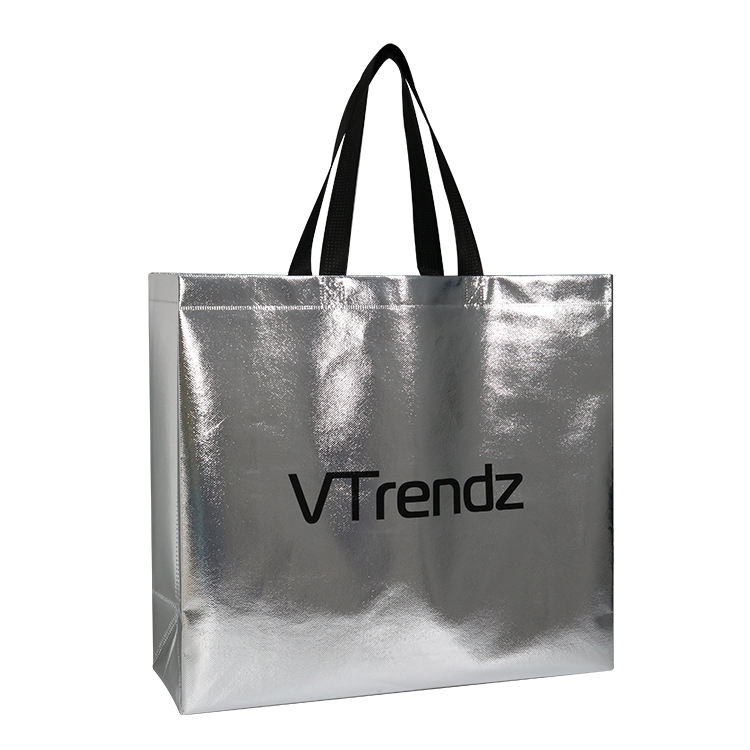
Material science directly translates into real-world performance. You need packaging capable of surviving harsh daily use. Shoppers overstuff their bags constantly. They carry heavy cans, sharp boxes, and awkward items.
Tensile strength measures how much stress a material handles before failing. Traditional plastic performs poorly here. It fails rapidly under sharp or heavy loads. If you place a heavy cardboard box inside, the corners will stretch the film. Eventually, the film turns white, thins out, and snaps completely. The structure offers zero tear resistance once punctured.
Conversely, spun-bonded materials excel under pressure. The web-like structure distributes weight evenly across thousands of tiny fused joints. A reusable non woven bag strongly resists tears. Even when carrying heavy retail goods or bulky groceries, the fibers hold firm. A small puncture does not cause a catastrophic split across the entire panel.
Functional lifespan represents a major differentiator. You must consider how long the item remains useful before structural degradation occurs. Traditional plastic usually ends up discarded after one or two uses. It stretches out of shape too easily for long-term utility.
A high-quality alternative tells a different story. These durable options comfortably sustain 50 to 100 or more uses. The material retains its original shape for months. The reinforced handles survive repeated lifting. This extreme longevity completely alters how consumers interact with the packaging.
Daily grocery use requires excellent hygiene. Spills happen frequently during transit. Traditional cloth bags absorb liquid and trap dangerous bacteria. Polypropylene offers distinct advantages here. The synthetic fibers are naturally water-resistant. Liquid tends to bead up on the surface rather than soaking deeply into the material. Consumers can simply wipe the interior clean using a damp cloth. This simple maintenance routine keeps the item hygienic for repeated grocery or retail use.
Performance Metric | Traditional Plastic (PE Film) | Spun-Bond Polypropylene |
|---|---|---|
Tensile Strength | Low (Prone to extreme stretching) | High (Distributes weight evenly) |
Puncture Resistance | Poor (Splits instantly upon tearing) | Excellent (Web structure halts tears) |
Functional Lifespan | 1 - 2 typical uses | 50 - 100+ typical uses |
Moisture Handling | Waterproof but traps condensation | Water-resistant and breathable |
Maintenance Needs | None (Typically discarded) | Wipeable surface, easy to sanitize |
Environmental discussions often oversimplify complex data. We must look past basic assumptions to understand the real ecological footprint. Every manufacturing choice carries specific environmental trade-offs.
A Lifecycle Assessment provides the most accurate environmental picture. Traditional plastic bags require exceptionally low energy to manufacture. The blown-film process uses minimal water and electricity per unit. Conversely, spun-bonded options require a higher upfront carbon footprint. Melting and spinning thousands of fibers demands significant industrial energy. Acknowledging this reality remains crucial for honest sustainability planning. The initial production phase clearly favors the traditional thin film.
The environmental validity of durable alternatives depends entirely on consumer adoption. We call this the break-even point. To offset its higher production footprint, consumers must reuse the durable option multiple times. Industry frameworks typically place this break-even point between 10 and 20 uses. If a consumer throws away a heavy-duty tote after a single trip, the environmental damage increases. However, if they use it 50 times, the net-positive environmental impact becomes massive. Reusability completely negates the initial manufacturing carbon debt.
Disposal realities differ wildly between these materials. Thin plastic presents a severe global pollution crisis. It escapes waste management systems easily due to its light weight. This causes extreme marine entanglement risks. It eventually breaks down into toxic microplastics. Furthermore, recyclers avoid thin films. The film tangles in sorting machinery and causes expensive factory shutdowns.
Spun-bonded polypropylene offers a much safer end-of-life profile. It is 100% recyclable in designated #5 plastics facilities. It melts down cleanly for repurposing into new industrial products. You should note they are often not accepted in standard curbside bins. Consumers must take them to specific drop-off locations. Ultimately, you must emphasize their primary eco-benefit. The true value lies in aggressive waste reduction through sheer longevity, rather than quick biodegradability.
Switching packaging strategies impacts multiple commercial departments. Marketing teams desire visibility. Legal teams demand compliance. Procurement teams analyze the bottom line. You must balance these competing interests successfully.
Packaging serves as mobile advertising. Traditional plastic offers a cheap upfront solution. However, it delivers poor print retention. Ink frequently flakes off the slippery surface. Furthermore, immediate disposal means you gain zero long-term brand visibility. You pay for an advertisement no one sees twice.
Durable alternatives completely transform this dynamic. The textured surface provides a massive, stable print area. It readily supports vivid screen printing and vibrant heat transfer techniques. The item becomes a walking billboard for your brand. Consumers carry your logo to the gym, the park, and rival grocery stores. When you evaluate the cost-per-impression metric, durable totes win easily. A single item generates thousands of visual impressions over several months.
Governments worldwide are aggressively banning single-use packaging. Businesses use durable alternatives to navigate these strict legal changes safely. Regulators usually define permissible packaging through specific minimum thickness requirements. They measure this thickness in mils or GSM (Grams per Square Meter). Traditional film falls far below these legal thresholds. Durable spun-bonded items easily exceed these minimums. Procuring these robust items mitigates severe compliance risks and potential government fines.
You must examine unit economics carefully. Plastic certainly requires a lower initial outlay. Retailers traditionally absorb this as a sunk operational cost. Giving away thousands of items drains margins constantly. Durable alternatives allow for strategic cost-shifting. Retailers frequently sell these premium totes at the register. Consumers willingly purchase them for their personal utility. This strategy shifts the item from a pure operational expense to a revenue-generating product.
You face significant risks when sourcing alternative packaging globally. Factory standards vary dramatically. Understanding technical specifications protects your investment. You must evaluate physical samples rigorously before committing.
Fabric weight dictates overall performance. Buyers use GSM to specify exact material thickness. Higher numbers indicate denser, stronger material. We highly recommend using this buyer's framework:
Under 60 GSM: This tier remains much too flimsy for serious use. It risks tearing immediately under moderate grocery weight. Avoid this for standard retail operations.
70-90 GSM: This represents the industry standard for general retail. It handles daily grocery use effortlessly. It balances cost and decent structural longevity perfectly.
100+ GSM: This heavy-duty material feels incredibly premium. It supports massive weight without stretching. It serves perfectly for high-end promotional items or heavy hardware supplies.
Assembly techniques affect the final load capacity significantly. Factories primarily use two different construction methods. You must choose the method fitting your specific durability requirements.
Heat-sealed bags utilize ultrasonic welding. Heavy machines press the seams together using high-frequency vibrations. This melts the edges into a solid bond. This method ensures cheaper, faster production. However, it results in a lower overall weight capacity. Heat-sealed seams remain prone to sudden blowouts if consumers overload them aggressively.
Stitched construction offers a far superior alternative. Workers sew the seams together using industrial threads. This significantly improves the bag's lifespan. It also elevates the perceived value of your brand. You must always check for handle reinforcement. Look for distinct cross-stitching patterns where the handle meets the body. This reinforcement prevents tearing during heavy lifting.
The global manufacturing landscape harbors hidden dangers. We routinely warn buyers against suppliers misrepresenting their GSM metrics. A factory might promise 80 GSM but deliver a flimsy 60 GSM product to save money. Additionally, unethical suppliers mix high amounts of recycled resin filler into the melted polymer. They use cheap calcium carbonate to bulk up the material. This drastically compromises the fiber strength. The resulting material feels stiff, brittle, and dusty. It will tear under minimal stress.
You must rigorously defend your quality standards. Always demand physical production samples prior to signing large contracts. Test these samples by loading them with heavy weights. Hang them for several days to observe seam stretching. This basic testing prevents disastrous product rollouts.
The packaging landscape continues to evolve rapidly. The choice between these two distinct materials comes down to modernizing your operational strategy. You must transition away from disposable operational expenses. Embracing durable alternatives provides a robust, reusable branding asset. Your initial investment pays off through regulatory peace of mind and massive brand visibility. Success requires understanding material science and avoiding common manufacturing pitfalls.
We recommend following these specific action-oriented next steps:
Audit your current annual packaging volume and baseline expenditure.
Assess all local and state compliance laws regarding minimum thickness regulations.
Request physical GSM samples from multiple suppliers to compare true fabric density.
Test the stitched handle strength using heavy physical loads in your office.
Finalize a vivid printing strategy to maximize your daily brand exposure.
A: Yes, usually Polypropylene [PP], but structured as a fabric for durability rather than a single-use film.
A: Hand washing with cold water and mild soap is recommended; machine washing or high heat can melt or degrade the fibers.
A: No, standard PP non-woven bags are not biodegradable, but they are recyclable in specialized facilities and reduce overall waste through repeated use.
A: Plastic is significantly cheaper per unit, but non-woven provides better long-term ROI for marketing and can be sold to consumers to offset costs.


