

close
Choose Your Site
Global
Social Media


A paper bag is a container made from paper, typically used for packaging and carrying goods. The history of the paper bag dates back to the 19th century, with the invention of the first paper bag machine by Francis Wolle in 1852. Since then, paper bags have become a common part of everyday life, serving various functions in both personal and commercial settings. In daily life, they are used for shopping, carrying groceries, and packaging items, while in commerce, they are essential for retail, food delivery, and promotional purposes. The importance of paper bags has grown significantly in recent years, especially as an eco-friendly alternative to plastic bags. Unlike plastic, paper bags are biodegradable, recyclable, and made from renewable resources, making them a more sustainable choice in the fight against pollution. As environmental awareness continues to rise, paper bags offer a practical and responsible solution for reducing the impact of packaging waste on the planet.
Kraft paper bags are durable, eco-friendly, and recyclable. Made from unbleached, recycled paper, they are strong and biodegradable. These bags are commonly used for shopping, food packaging (such as bakery or takeout items), and gift bags. Their natural look and sustainability make them a popular choice for everyday use.
White paper bags are made from bleached paper, offering a smooth surface ideal for high-quality printing. They are commonly used in high-end retail packaging and brand customization, providing a polished and professional appearance for luxury goods and promotional items. These bags are also recyclable, making them an eco-friendly option.
Coated Paper Bags: Coated with a protective layer, these bags are water-resistant and durable. They are often used for packaging cosmetics, electronics, and liquids.
Paper Woven Bags: Made by weaving paper strips, these bags are strong and used for packaging heavy items or bulk goods.
Each type of paper bag offers specific benefits, catering to different needs while remaining an environmentally friendly option.
One of the main environmental benefits of paper bags is their recyclability and biodegradability. Unlike plastic bags, which can take hundreds of years to decompose, paper bags break down naturally in a matter of weeks or months. Additionally, paper bags can be easily recycled and reused to create new paper products. This helps reduce the pollution caused by plastic waste, which often ends up in landfills or oceans, harming wildlife and ecosystems.
Paper bags generally have a lower carbon footprint than plastic bags when produced from sustainable sources. The raw materials for paper bags, such as recycled paper or responsibly sourced wood pulp, require less energy to process compared to petroleum-based plastic. Additionally, the production of paper bags is often powered by renewable energy sources, further reducing their overall environmental impact. Choosing paper bags over plastic helps reduce reliance on fossil fuels and supports a more sustainable future.
The lifecycle of a paper bag involves several stages: production, usage, and disposal. Paper bags are made from renewable resources like trees and recycled paper, and once used, they can be recycled or composted, returning valuable nutrients to the earth. Even if they end up in landfills, paper bags decompose quickly, unlike plastic bags, which can persist for centuries. The entire lifecycle of paper bags, from production to disposal, is much more eco-friendly, making them a superior alternative to plastic bags in terms of sustainability.
The primary materials used in paper bag production include wood pulp, recycled paper, and sometimes other sustainable fibers. Wood pulp, sourced from trees, is processed into paper that forms the foundation of most paper bags. Recycled paper is also a common material, as it supports sustainability by reusing paper waste and reducing the need for fresh raw materials. These materials are chosen for their durability, recyclability, and environmental benefits.
The production of paper bags involves several key steps:
Paper Processing: The raw materials, such as wood pulp or recycled paper, are turned into paper sheets through a process of pulping, cleaning, and refining.
Printing: Once the paper is ready, it is often printed with designs, logos, or branding elements. This step involves using specialized printing techniques like flexographic or offset printing to ensure high-quality, clear images and text.
Cutting: After printing, the paper is cut into the appropriate shapes and sizes for the bag. This may involve large rolls of paper being cut into sheets, which are then shaped into the specific bag design.
Forming: The cut pieces of paper are then folded and glued to form the structure of the bag. Handles, whether paper or rope, are attached to the bags to ensure they are functional and sturdy.
Paper bags can be highly customized to meet specific customer needs. Customization options include:
Size: Paper bags can be made in various sizes, from small gift bags to large shopping bags.
Printing: Customers can choose custom prints, including logos, patterns, and branding elements, allowing for personalized packaging that reflects their brand identity.
Design: Paper bags can be tailored with features like die-cut windows, reinforced handles, and unique folding techniques. These design elements add both functionality and aesthetic appeal.
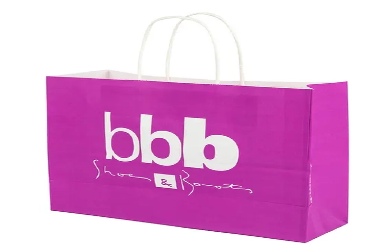
Paper bags are widely used in retail stores and supermarkets for shopping purposes. They offer a sturdy, eco-friendly alternative to plastic bags, making them a preferred choice for businesses looking to reduce their environmental impact. Paper bags are available in various sizes and strengths, making them suitable for carrying groceries, clothing, and other retail items. Their ability to hold weight while being fully recyclable adds to their appeal as a sustainable packaging option.
In the bakery and takeaway food industry, paper bags are commonly used to package items like bread, pastries, and takeaway meals. These bags help keep food fresh and are a more sustainable option compared to plastic packaging. Many food establishments choose paper bags because they are biodegradable and compostable, reducing waste in landfills. Paper bags also allow for easy customization, such as printing the business logo or product details, making them an excellent choice for branding in the food industry.
Paper bags are frequently used as premium packaging for brands and promotional events. Their ability to be customized with logos, designs, and unique prints makes them ideal for creating an upscale image. Luxury brands often use high-quality paper bags to package their products, reinforcing their commitment to both quality and sustainability. Additionally, companies use paper bags for promotional giveaways at events, trade shows, or special sales, enhancing brand visibility while promoting eco-friendly practices.
Paper bags are incredibly versatile and can carry a wide range of items. They are commonly used for packaging clothing, food (such as bread, pastries, sandwiches, and candy), everyday household goods, and gifts. Depending on the type and strength of the paper used, paper bags can hold light to moderate weight. For instance, kraft paper bags are known for their durability and can handle heavier items, while lighter paper bags are better suited for smaller or less heavy items. Their versatility makes them ideal for various uses, from grocery shopping to gift wrapping.
Paper bags are highly eco-friendly, as they are both recyclable and biodegradable. Unlike plastic bags, which can take hundreds of years to break down, paper bags decompose naturally within a short period, reducing their environmental impact. Most paper bags are made from sustainably sourced paper or recycled materials, which further adds to their eco-friendly nature. After use, paper bags can be easily recycled to create new products or composted, minimizing waste. This makes paper bags a far more sustainable option compared to plastic bags, which contribute to long-term pollution in landfills and oceans.
The quality of a paper bag is usually determined by the thickness and type of paper used, as well as its construction. High-quality paper bags are often made from thick kraft paper or specially treated paper, which offers good strength, durability, and resistance to tearing. When evaluating the quality of a paper bag, check for clear, sharp printing without smudging or fading, as well as an odor-free experience. Additionally, a well-made paper bag will have sturdy, secure closures and strong handles to ensure it can carry the intended load without breaking or tearing. The quality of materials and attention to detail during manufacturing contribute to its overall strength and reliability.
Generally, paper bags tend to cost more than plastic bags. This is because paper bags are made from raw materials like wood pulp or recycled paper, which are more expensive to process compared to the petroleum-based plastic used for plastic bags. Additionally, the production process for paper bags is typically more energy-intensive. However, as demand for sustainable packaging increases and production volumes scale up, the cost of paper bags has become more competitive. Many businesses and consumers find the higher cost of paper bags to be justified by their environmental benefits, and the price difference has been narrowing as more companies move toward eco-friendly solutions.
In conclusion, paper bags are a versatile, eco-friendly, and sustainable alternative to plastic bags, offering numerous benefits for both consumers and businesses. With their recyclability, biodegradability, and lower environmental impact, paper bags are increasingly becoming the preferred choice for packaging in various industries, from retail and food packaging to branding and promotions. Whether used for shopping, carrying food, or enhancing brand identity, paper bags provide a practical and responsible solution to reduce plastic waste. Despite their slightly higher cost, the growing demand for eco-conscious products is driving down prices, making paper bags a more accessible and environmentally-friendly option for all. By choosing paper bags, we can contribute to a cleaner, greener planet and a more sustainable future.


