

close
Choose Your Site
Global
Social Media


Views: 0 Author: Site Editor Publish Time: 2025-12-30 Origin: Site


In recent years, non-woven bags have become a popular alternative to traditional plastic bags, widely used in retail, shopping, and promotional events. These bags are praised for their durability, eco-friendliness, and versatility. But what exactly are non-woven bags made of? In this article, we will explore the materials that make up non-woven bags, their manufacturing process, and the reasons behind their widespread use.
A non-woven bag is a type of bag made from synthetic fibers or natural fibers that are bonded together without the use of traditional weaving or knitting techniques. Instead of threads being woven together to create a fabric, non-woven bags are produced by bonding fibers together through methods such as heat, pressure, or chemicals. This unique manufacturing process gives non-woven bags their distinct properties, making them both cost-effective and eco-friendly.
Non-woven bags are available in different types, each catering to specific needs. Some common types include:
Ultrasonic Non-Woven Bags: Made by bonding the fabric using ultrasonic waves, resulting in a smooth, seamless finish.
Stitched Non-Woven Bags: Traditional non-woven bags where the edges are stitched together for added strength.
Non-Woven Vest & Flat Bags: Used primarily for retail shopping and grocery purposes, offering easy access and a wider opening for items.
These bags can be made from a variety of materials, and the type of non-woven bag you choose will depend on your specific needs and usage.
The most commonly used material for non-woven bags is polypropylene (PP). This is a type of thermoplastic polymer that is both lightweight and strong, which makes it perfect for non-woven bags. Polypropylene is favored because it is cost-effective, durable, and can be easily processed into the non-woven fabric.
Polypropylene has several advantages when used in non-woven bags:
Strength: Despite being lightweight, polypropylene offers strong tensile strength, which makes it suitable for carrying heavy items.
Water Resistance: Polypropylene is resistant to moisture, making it an excellent choice for bags that will carry groceries or items that might be exposed to water.
Cost-Effectiveness: It is relatively inexpensive to produce, which keeps the cost of non-woven bags low.
Recyclability: As a recyclable material, polypropylene contributes to the sustainability of non-woven bags, as they can be reused and repurposed.
Another popular material used for making non-woven bags is polyester (PET). Polyester is often used in applications where added durability is required, especially for bags that need to withstand wear and tear over time.
Polyester offers several advantages, including:
Durability: PET is known for its resistance to stretching, shrinking, and fading, making it a durable choice for long-term use.
Strength: Like polypropylene, polyester is also strong and capable of carrying heavy loads without breaking.
Color Retention: Polyester holds colors well, which ensures that printed designs on non-woven bags remain vibrant even after frequent washing.
In response to growing environmental concerns, many manufacturers are using recycled PET (rPET) or natural fibers like jute and cotton to make non-woven bags. These materials provide an eco-friendly alternative to traditional polypropylene.
Recycled PET: This material reduces the demand for new plastics and contributes to reducing plastic waste. Non-woven bags made from rPET are also durable, strong, and can be used for various applications.
Jute: Jute is a natural fiber that is biodegradable, strong, and durable. Jute bags are more eco-friendly but may not be as lightweight as non-woven bags made from synthetic fibers.
Cotton: Organic cotton bags are another eco-friendly option, especially for customers who are focused on sustainability and reducing their carbon footprint.
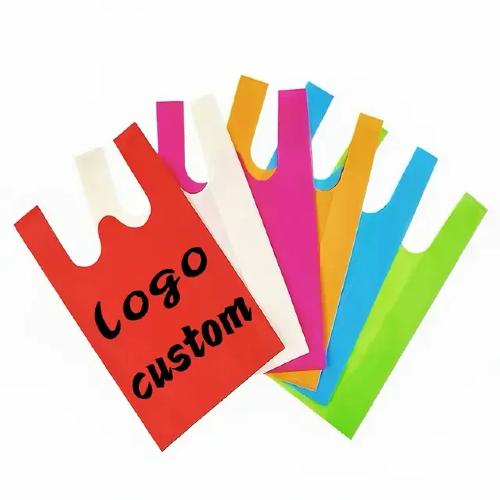
The process of making non-woven bags involves bonding fibers together without weaving. The fibers can be arranged in different ways and then bonded using various methods such as heat, pressure, or chemicals. The key steps involved in the production process are:
Fiber Selection: The appropriate fibers (polypropylene, polyester, etc.) are chosen based on the bag's intended use.
Bonding Process: The fibers are either heat-bonded (through a thermal bonding process), chemically bonded (using adhesives), or mechanically bonded (via needle punching or spunlace techniques).
Forming the Fabric: Once the fibers are bonded, they form a fabric sheet, which is then cut, stitched, or welded into bags.
Customization: After the bags are formed, they can be printed with logos, designs, and other custom features to meet branding needs.
Various methods are used to bond fibers in non-woven bags:
Spunbond: The most common method used for manufacturing non-woven fabrics. Spunbond creates strong fibers that are easy to bond.
Needle Punching: This process entangles fibers into a dense fabric, making the bag stronger and more durable.
Spunlace: A method that uses high-pressure water jets to bond the fibers, resulting in a soft fabric suitable for applications like medical or hygiene products.
Non-woven bags are becoming a popular choice due to their eco-friendly nature. Made from polypropylene or recycled PET, these bags can be reused multiple times and are recyclable, making them an environmentally sustainable alternative to plastic bags.
Non-woven bags are inexpensive to produce, which makes them a cost-effective option for businesses. The low manufacturing costs allow companies to offer them as promotional items, packaging, or retail bags at affordable prices.
The flexibility of non-woven materials makes them suitable for a variety of uses. Non-woven bags are available in various sizes, shapes, and colors, making them perfect for custom branding and personalization. They are also ideal for applications such as:
Grocery shopping
Corporate giveaways
Event packaging
Eco-friendly product packaging
The combination of materials like polypropylene and polyester ensures that non-woven bags are lightweight, yet durable. Despite their lightness, they are capable of carrying heavy items and can last for a long time with proper care.
One of the most significant benefits of non-woven bags is their recyclability. Non-woven bags made from polypropylene are recyclable, and even those made from natural fibers like cotton and jute are biodegradable, contributing to sustainability efforts.
Non-woven bags are easy to customize with logos, designs, and slogans, making them ideal for branding and promotional events. The ease of printing and the wide variety of printing options available make these bags an attractive choice for businesses looking to market their products.
Material | Advantages | Uses | Eco-Friendliness |
Polypropylene (PP) | Lightweight, durable, water-resistant | Shopping bags, promotional bags, retail packaging | Recyclable, but not biodegradable |
Polyester (PET) | Strong, durable, color-fast | Heavy-duty bags, fashion bags | Recyclable, but energy-intensive production |
Recycled PET (rPET) | Sustainable, reduces plastic waste | Recycled product bags, eco-friendly packaging | Recyclable, eco-friendly |
Jute | Biodegradable, strong | Grocery bags, fashion accessories | Biodegradable, eco-friendly |
Cotton | Soft, biodegradable, reusable | Eco-friendly bags, promotional bags | Biodegradable, eco-friendly |
This table provides a quick overview of the materials used in non-woven bags, their properties, ideal uses, and eco-friendliness.
Non-woven bags are made from a variety of materials, including polypropylene (PP), polyester (PET), and more sustainable options like recycled PET, jute, and cotton. These materials provide non-woven bags with key benefits such as being lightweight, durable, and eco-friendly, making them ideal for a range of uses—from shopping bags to promotional giveaways. The affordability, recyclability, and ease of customization make non-woven bags a popular choice for businesses and consumers seeking a cost-effective and sustainable packaging solution.
At Zhejiang Bicheng New Material Co., Ltd., we specialize in manufacturing high-quality non-woven bags that meet the diverse needs of our clients. Whether you're looking for eco-friendly promotional items or durable packaging solutions, we offer a wide range of customizable options. Our team is dedicated to providing products that not only support your business goals but also contribute to sustainability efforts.
If you're interested in learning more about our non-woven bags and how they can enhance your brand’s presence, feel free to contact us. We're here to offer expert guidance and provide the best packaging solutions for your needs.
The main material used in non-woven bags is polypropylene (PP), which is lightweight, durable, and recyclable.
Non-woven bags made from natural fibers like cotton or jute are biodegradable. However, polypropylene (PP) is not biodegradable, although it is recyclable.
Yes, non-woven bags are designed to be durable and reusable, which is why they are a popular alternative to single-use plastic bags.
Non-woven bags are more cost-effective, lightweight, and easier to produce. They are perfect for promotional items, custom designs, and short-term use, while woven bags are better suited for heavy-duty, long-term use.
Non-woven bags are made by bonding fibers together using heat, pressure, or chemicals. These fibers are arranged in different ways before being bonded to form the fabric.


