

close
Choose Your Site
Global
Social Media


Views: 0 Author: Site Editor Publish Time: 2025-12-09 Origin: Site


Recycled paper bags have become an increasingly popular eco-friendly alternative to plastic and virgin paper bags. Made from paper that has been repurposed from previously used products, these bags offer a sustainable packaging solution by reducing the need for new raw materials. The environmental importance of recycled materials lies in their ability to conserve natural resources, reduce waste, and lower carbon emissions associated with the production of virgin paper. By using recycled paper, we help minimize the environmental footprint of manufacturing and reduce the burden on landfills. This article will explore what recycled paper bags are, how they are made, their environmental benefits, and the challenges associated with their production and use, shedding light on why they are a valuable choice in the push toward more sustainable packaging solutions.
Recycled paper bags are made from paper that has been previously used and repurposed for new purposes. Unlike virgin paper bags, which are made from fresh wood pulp, recycled paper bags are crafted using materials that have already been processed and discarded. This makes them an eco-friendly alternative, as they reduce the need for virgin resources and minimize waste in landfills.
The production of recycled paper bags begins with collecting recycled paper from various sources such as old newspapers, magazines, cardboard, and other paper products. Once collected, the paper is cleaned to remove any contaminants like ink or adhesives. The cleaned paper is then pulped, which breaks it down into fibers. These fibers are reshaped and pressed into sheets, which are then formed into paper bags. Throughout the process, any unwanted materials, such as plastics or coatings, are removed to ensure the final product is durable and safe for use.
Recycled paper bags are typically made from two types of recycled paper:
Post-consumer recycled paper: This is paper that has been used by consumers, such as old newspapers, boxes, and office paper. It is the most common material used in recycled paper bags, as it directly reuses discarded paper products.
Post-industrial recycled paper: This paper comes from manufacturing waste, such as scraps or unused paper generated during the production of other paper products. It is also an important source of recycled paper for bag production, although it does not come from consumer use.
Using recycled paper in the production of paper bags has significant environmental benefits. One of the key advantages is the reduction in deforestation. By repurposing paper that has already been used, the need for new wood pulp is decreased, helping to preserve forests and protect biodiversity. Additionally, the process of making recycled paper uses less energy and creates less pollution, further reducing the overall environmental impact. Recycled paper bags also help decrease the amount of waste in landfills by repurposing discarded paper products, thus contributing to waste reduction efforts and reducing landfill overflow.
The production of recycled paper bags results in a lower carbon footprint compared to bags made from virgin pulp. Manufacturing recycled paper requires less energy since the fibers have already been processed, meaning that less energy is needed to break them down and reconstitute them. This process also generates fewer carbon emissions, making recycled paper bags a more carbon-efficient option in comparison to virgin paper bags, which require more energy and resources to produce.
Using recycled paper bags helps conserve natural resources, particularly water and trees. Producing virgin paper requires large amounts of water to process wood into pulp, and using recycled paper greatly reduces water consumption. Additionally, the need for cutting down trees is minimized, helping to protect forests and the ecosystems that depend on them. By choosing recycled paper, we conserve precious natural resources, reduce water waste, and support more sustainable practices in the paper industry.
One of the primary challenges with recycled paper bags is the variations in quality compared to virgin paper. Recycled paper can sometimes have a weaker structure and appearance due to the degradation of fibers during the recycling process. While recycled paper can still be strong and durable, it may not match the smooth texture or strength of virgin paper, especially when used for heavy-duty applications. This can impact the overall look and performance of the final paper bag, limiting its suitability for certain products or higher-end packaging.
Contamination is a significant challenge in the recycling process of paper bags. Paper that has been used for carrying greasy food, oily substances, or ink can affect the quality of the recycled material. Contaminants can prevent the paper from being properly processed, leading to a lower-quality final product. For instance, paper with food residue or chemical coatings may not be able to undergo effective recycling, which can compromise the strength and appearance of the recycled paper used in bag production. This issue emphasizes the need for clean, well-sorted materials for efficient recycling.
Another challenge facing the production of recycled paper bags is the availability of high-quality recycled paper. Sourcing enough clean, uncontaminated recycled paper to meet demand can be difficult, particularly when there is increased demand for recycled paper products. In some cases, businesses may struggle to obtain sufficient quantities of quality recycled paper, especially if local recycling programs are limited or if the paper collected is not up to the standards required for bag production. This can impact the consistency and scalability of producing recycled paper bags.
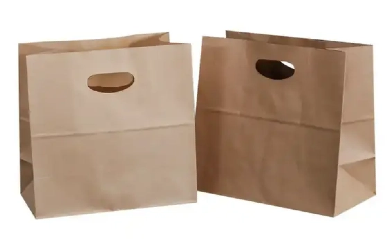
Recycled paper bags are widely used in retail, grocery stores, and e-commerce packaging. Their durability and eco-friendly nature make them ideal for packaging a variety of products, including clothing, groceries, and gifts. Retailers often prefer recycled paper bags because they align with the growing consumer demand for sustainable products. In grocery stores, they are a popular alternative to plastic bags, offering a more environmentally responsible option for carrying food and household items. Recycled paper bags are also an effective packaging solution for e-commerce, as they provide a sturdy and sustainable way to ship products to customers.
One of the major benefits of recycled paper bags is their ability to be easily customized for branding and promotional purposes. Businesses can print logos, slogans, and designs on recycled paper bags, turning them into an effective marketing tool. Custom recycled paper bags not only promote the brand but also reinforce a company's commitment to sustainability, which resonates with eco-conscious consumers. This makes them an attractive choice for businesses looking to stand out in a competitive market while showcasing their eco-friendly values.
Using recycled paper bags as part of a business's packaging strategy can significantly enhance its eco-friendly image. As more consumers prioritize sustainability, businesses that adopt recycled paper bags demonstrate a commitment to environmental responsibility. These bags provide a tangible way for companies to show that they care about reducing waste, conserving resources, and minimizing their carbon footprint. By incorporating recycled paper bags into their marketing efforts, businesses can attract environmentally conscious customers and improve their reputation as a sustainable brand.
Recycled paper bags can be strong, but their strength may vary depending on the quality of the recycled paper used. They are generally suitable for carrying everyday items, but heavier or moisture-sensitive products may require thicker or specially treated paper.
While recycled paper bags are biodegradable and more eco-friendly, they are generally less durable than plastic bags, especially when exposed to water or heavy loads. However, they are still strong enough for most standard uses and provide a sustainable alternative to plastic.
Yes, recycled paper bags can typically be recycled again, as long as they are clean and free from contaminants. The recycling process for paper is a continuous loop, allowing recycled paper bags to be repurposed multiple times.
Recycled paper bags may cost slightly more than regular virgin paper bags due to the additional processing required to clean and repurpose used paper. However, the growing demand for sustainable products is helping to reduce costs, and businesses often find the environmental benefits outweigh the small price difference.
In conclusion, recycled paper bags are an excellent, sustainable alternative to traditional packaging options, offering numerous benefits for both businesses and consumers. Used widely in retail, grocery, and e-commerce sectors, they provide an eco-friendly solution that reduces the environmental impact of packaging. The ability to customize these bags for branding and promotional purposes makes them a powerful marketing tool, allowing businesses to showcase their commitment to sustainability while reinforcing their brand identity. By opting for recycled paper bags, companies not only contribute to reducing waste and conserving resources but also enhance their eco-friendly image, catering to the growing number of consumers who prioritize environmental responsibility. Overall, recycled paper bags are a smart and responsible choice for businesses looking to align with sustainable practices and provide functional, attractive, and eco-conscious packaging to their customers.


