

close
Choose Your Site
Global
Social Media


Views: 0 Author: Site Editor Publish Time: 2025-12-18 Origin: Site


Non-woven bags have become a popular choice in the packaging industry due to their eco-friendly nature and versatility. But one common question that often arises is whether you can heat press non-woven bags to customize them for promotional and retail purposes. In this article, we will explore everything you need to know about heat pressing non-woven bags, including whether it’s feasible, the best practices, and how you can use heat pressing to create durable and attractive designs.
Non-woven bags are made from synthetic fibers such as polypropylene, polyester, or a combination of both, which are bonded together without being woven or knitted. The result is a material that is lightweight, durable, and easy to customize. These bags are highly favored for their environmental benefits, as they are reusable and recyclable alternatives to plastic bags.
There are several types of non-woven bags available, each with different characteristics suited for specific uses:
Ultrasonic Non-Woven Bags: These bags are created by welding the material using high-frequency ultrasonic sound waves, ensuring seamless joints with strong durability. These bags are often used for high-end retail packaging and promotional giveaways.
Stitched Non-Woven Bags: These are traditional non-woven bags that are stitched at the seams for added strength. Stitched bags are perfect for grocery stores, large events, and carrying heavier items.
Non-Woven Vest & Flat Bags: Vest bags are typically used for grocery shopping, while flat bags provide a wider opening, making them great for retail or larger items.
Non-woven bags are commonly used in various industries for several purposes:
Retail: For shopping, packing, and merchandise displays.
Promotions: Custom non-woven bags with logos and graphics are often given out at events, trade shows, and conferences.
Sustainability: Businesses use non-woven bags as part of their sustainable packaging solutions, reducing plastic waste.
Heat pressing is a process that applies both heat and pressure to transfer a design or image onto a surface, typically using a heat press machine. This method is commonly used for customizing products like t-shirts, mugs, and bags, allowing businesses and individuals to personalize their items for promotional purposes.
A heat press machine uses a combination of heat (usually between 280°F and 320°F) and pressure to bond the design or graphic onto the fabric. The process can involve using a transfer paper or vinyl film, depending on the design’s complexity and the material of the item being customized.
Heat: The heat softens the fabric or material, allowing it to bond with the ink or vinyl.
Pressure: The press ensures that the design adheres evenly to the material, preventing peeling or fading over time.
T-shirts and Apparel: For printing custom logos, text, or graphics.
Mugs and Other Promotional Products: Personalized items for events or giveaways.
Bags: Custom non-woven bags, tote bags, and other retail packaging items.
Yes, you can heat press non-woven bags, and this is one of the most popular ways to customize them. Non-woven materials, especially those made from polypropylene, are generally heat-resistant and can handle the heat press process without damage. However, it's important to adjust the heat settings carefully to ensure a successful transfer.
While non-woven bags are suitable for heat pressing, there are a few things to consider:
Temperature Sensitivity: Non-woven fabric can be sensitive to heat. Too much heat can cause the fabric to warp, melt, or lose its shape. Therefore, it's crucial to find the ideal temperature range for your specific material.
Thickness of the Material: Different non-woven bags come in varying thicknesses. Thicker bags may require more heat or longer press times, while thinner bags may only need a shorter press time.
Design Complexity: Simple designs with fewer layers work best with heat pressing. Complex or multi-colored designs may require additional steps or different heat transfer methods.
Customization: Heat pressing allows you to print vibrant, detailed designs on non-woven bags, making them perfect for branding, promotions, and giveaways.
Durability: Heat-pressed designs on non-woven bags are more durable than other methods like screen printing, as the design is deeply bonded to the material.
Eco-Friendly Branding: Non-woven bags are an eco-friendly alternative to plastic bags. By heat pressing your company logo or slogan, you promote your brand while supporting sustainability.
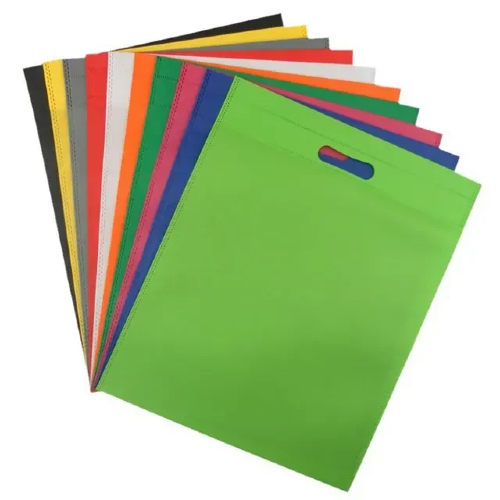
For successful heat pressing on non-woven bags, it is essential to use the right temperature. The typical temperature range for pressing non-woven fabric is between 280°F (140°C) and 320°F (160°C). If the temperature is too high, the fabric may melt, and if it's too low, the design will not adhere properly.
To achieve the best results when heat pressing non-woven bags, it’s important to get the pressure and time right. Below is a table summarizing the recommended settings:
Parameter | Recommended Range |
Temperature | 280°F to 320°F (140°C to 160°C) |
Pressure | Medium to firm pressure (avoid excessive pressure) |
Time | 10 to 15 seconds |
These settings help ensure that the design adheres properly to the fabric without damaging the material.
Before applying the heat press to a bulk order, it’s always a good idea to test on a scrap piece of the non-woven material. This helps determine the ideal settings and prevents any damage to your final product.
To ensure smooth and effective results, it’s important to use the right heat press machine. A clamshell or swing-away heat press is ideal for heat pressing non-woven bags, as they provide even pressure and heat distribution across the material.
Non-woven bags are widely used for retail purposes, and heat pressing provides a cost-effective way to personalize them. Adding custom designs or logos to bags allows businesses to promote their brand effectively, turning each bag into a walking advertisement.
Heat-pressed non-woven bags are popular at trade shows, conferences, and promotional events. Companies can use them to distribute giveaways, ensuring that attendees take home a useful, branded item that will remind them of the business long after the event.
Many businesses today are focused on sustainability. Non-woven bags, which are reusable and recyclable, are an excellent choice for eco-friendly packaging. By heat pressing their logo or branding onto these bags, companies can promote their green initiatives while providing a practical solution to their customers.
To preserve the integrity of the heat-pressed design, wash non-woven bags in cold water and air dry them. Avoid machine drying, as high heat can cause the design to fade or crack.
When properly cared for, heat-pressed designs on non-woven bags can last for a long time. The design is deeply embedded into the material, making it resistant to peeling and fading even with frequent use.
Heat pressing is a highly effective method for customizing non-woven bags, making them ideal for retail, promotional events, and eco-friendly packaging solutions. By adjusting the right temperature, pressure, and time settings, we ensure that the designs are both durable and vibrant, providing a long-lasting branding solution. Non-woven bags are an excellent sustainable alternative to plastic bags, offering a versatile canvas for custom designs that enhance brand visibility.
At Zhejiang Bicheng New Material Co., Ltd., we specialize in producing high-quality non-woven bags that not only meet your customization needs but also align with your sustainability goals. Our heat-pressing services allow businesses to create distinctive, eco-friendly promotional products that resonate with consumers. Whether you are looking to promote your brand at an event or provide your customers with reusable packaging solutions, we are here to help you bring your ideas to life.
Feel free to reach out to us to learn more about our non-woven bags and heat-pressing services, and discover how we can assist in elevating your brand's presence with high-quality, eco-conscious products.
Yes, non-woven fabrics made from polypropylene or polyester are ideal for heat pressing. Ensure that the material is not too thick or too thin to avoid warping or inadequate design adhesion.
The ideal temperature for heat pressing non-woven bags is between 280°F (140°C) and 320°F (160°C). Always test on a sample to find the best temperature for your specific material.
If done correctly with the proper temperature and pressure, heat pressing should not damage non-woven bags. However, using excessive heat or pressure can cause the fabric to melt or lose shape.
Heat pressing usually takes about 10-15 seconds, depending on the thickness of the material and the complexity of the design.
Yes, you can wash heat-pressed non-woven bags. It’s recommended to wash them in cold water and air dry them to preserve the design.


