

close
Choose Your Site
Global
Social Media


Views: 0 Author: Site Editor Publish Time: 2026-05-26 Origin: Site


Consumers and businesses frequently assume all paper packaging is backyard-compostable. They toss every brown sack into the bin expecting nature to do the rest. However, modern manufacturing introduces hidden variables like synthetic glues, chemical inks, and invisible plastic coatings. These hidden elements complicate natural degradation and create confusion for eco-conscious households.
While pure kraft materials serve as highly effective "brown" (carbon-rich) additions to your compost, mistakes carry consequences. Misidentifying a lined or heavily treated sack can contaminate your soil. Microplastics and persistent chemicals easily leach into your garden beds when you process the wrong materials. You need a reliable way to separate natural fibers from synthetic mimics.
This guide provides a definitive evaluation framework to determine exactly what belongs in your compost bin. You will learn how to process these materials for maximum efficiency and microbial health. We will also explain when recycling remains the scientifically superior choice for a standard Paper Bag.
Verification is required: Unlined, plain paper bags with soy or carbon-based inks are safe for home composting.
Beware of "leak-proof" claims: Many durable or water-resistant paper bags contain bioplastic linings requiring industrial facilities (ASTM D6400/BPI certified), rendering them useless in standard backyard bins.
Recycling often beats composting: Clean paper bags should be recycled to maximize fiber lifespan (which can be reused 6–7 times); composting is the optimal end-of-life solution for heavily soiled or food-contaminated bags.
Preparation dictates speed: A shredded, aerated paper bag balanced with nitrogen-rich greens degrades in 6–8 weeks; an intact bag buried improperly can take up to a year.
Before throwing any packaging into your compost pile, you must verify its composition. The physical traits of a safe, compostable bag are remarkably simple. You want unbleached kraft pulp, which retains its natural brown color. The material should have a porous surface, allowing water and air to penetrate easily. Furthermore, manufacturers must use plant-based starch adhesives to bind the seams.
Many beginners fear colored text on packaging. They assume all printed designs poison the soil ecosystem. This fear is largely a myth. Modern commercial printing relies heavily on soy-based or carbon-based inks. These natural ink formulas are completely non-toxic to soil microbes and earthworms. They break down organically without leaving harmful residues behind.
However, you must identify high-risk exceptions before composting. Heavy metallic foils introduce heavy metals into your garden. High-gloss finishes often contain synthetic polymers. Synthetic neon dyes frequently carry toxic chemical compounds. Avoid any packaging displaying shiny, reflective, or brightly colored metallic elements.
Distinguishing a safe natural clay coating (kaolin) from a hazardous plastic or wax laminate poses a significant challenge. Kaolin clay looks slightly shiny but occurs naturally in soil. Plastic laminates look identical but pollute your compost. You can solve this problem instantly using a simple physical test.
First, soak a corner of the suspect packaging in a bowl of water. Wait a few minutes for the fibers to saturate. Next, rub the wet corner aggressively between your thumb and index finger. Observe how the material reacts to the friction. The results give you a definitive verdict on its safety.
Test Observation | Material Composition | The Verdict |
|---|---|---|
Paper disintegrates easily into mushy pulp. | Raw wood pulp or kaolin clay coating. | Safe to compost. Toss it in the bin. |
A thin, stretchy, clear film remains intact. | Hidden plastic laminate or PLA lining. | Do not compost. Divert to trash or commercial facility. |
Water beads off entirely without soaking in. | Petroleum wax or heavy synthetic coating. | Do not compost. Trash it immediately. |
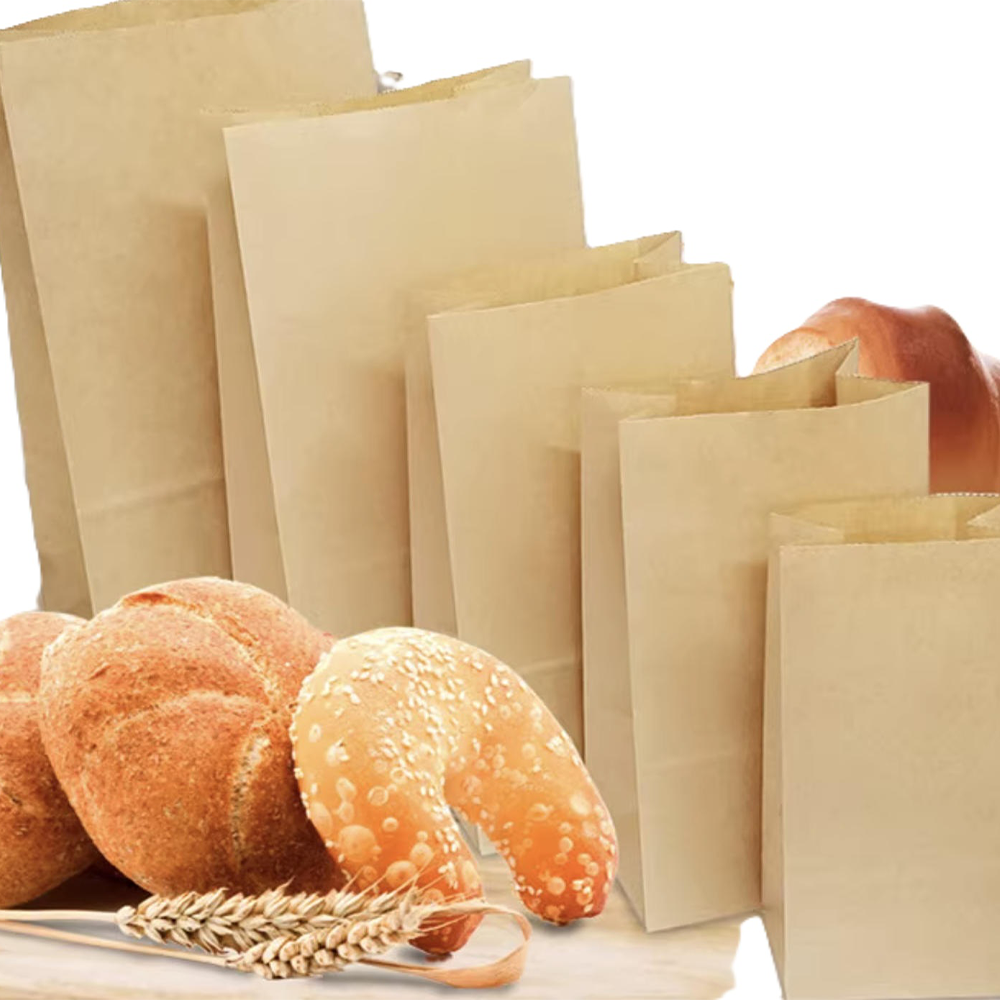
Brands frequently market their packaging using buzzwords like "eco-friendly" or "biodegradable." These terms confuse consumers and lead to severe compost contamination. You must look past the marketing language and understand the physical structure of the product.
Consumers face an ironic situation with structural food packaging. Many bags marketed specifically for wet food scraps utilize inner films to prevent tearing. Manufacturers make these films from PLA (polylactic acid) or similar plant-based resins. The brand sells the product as a green alternative to plastic. Unfortunately, this bioplastic lining ruins the bag for home composters. You cannot process PLA in a basic backyard setup.
Backyard bins, tumblers, and worm farms have strict thermal limitations. They rarely exceed ambient outdoor temperatures. Your home setup relies on cold or warm decomposition driven by local worms and basic bacteria. Bioplastics simply sit in these environments indefinitely.
Industrial composters operate under vastly different parameters. Bioplastics and robust coatings require sustained high heat (usually 130°F or higher). Commercial facilities combine this extreme heat with controlled humidity and forced aeration. These aggressive conditions melt and break down bioplastics. Without them, a PLA-lined bag acts just like a traditional plastic bag.
Chart: Home Setup vs. Commercial Facility Capabilities | ||
Composting Metric | Home Backyard Bin | Commercial Industrial Facility |
|---|---|---|
Temperature | Ambient to 100°F (Rarely higher) | Sustained 130°F - 160°F |
Aeration Method | Manual turning (Pitchfork) | Mechanical forced air systems |
Microbial Activity | Natural local microbes & worms | Optimized thermophilic bacteria |
PLA/Bioplastic Breakdown | Fails to degrade (Requires removal) | Fully degrades within 90-180 days |
Look for specific certifications before trusting a product's claims. Legitimate commercial products carry stamps from the BPI (Biodegradable Products Institute) or CMA (Compost Manufacturing Alliance). They also list compliance with the ASTM D6400 standard. We must emphasize one crucial detail: these labels specifically indicate commercial compostability. They do not mean the item is viable for your backyard bin.
Many environmentalists jump straight to composting when disposing of paper goods. However, science dictates a more nuanced approach. We must evaluate the most energy-efficient end-of-life solution for every piece of packaging.
You should view composting as the final stage of a material's lifecycle, not the first. The classic waste hierarchy places recycling above composting for intact, valuable materials. When you compost a perfectly clean piece of paper, you destroy useful structural fibers. Returning nutrients to the soil is beneficial, but saving virgin trees from the logging industry takes priority.
Wood pulp fibers possess remarkable durability. They can survive six to seven recycling loops before becoming too short to bind into new paper. We waste this potential when we compost fresh fibers immediately. From a carbon footprint perspective, recycling clean paper consumes significantly less energy than manufacturing virgin paper. It also produces a much lower environmental footprint overall.
Recycling centers maintain strict contamination thresholds. They routinely reject paper heavily saturated with grease, cheese, animal fats, or food residue. Oils disrupt the pulping process at recycling plants, ruining entire batches of recycled paper. This is where your backyard bin becomes the hero.
Follow a simple decision rule. If you have a clean, dry Paper Bag, recycle it. Let the recycling facility extend its lifespan. If the packaging is soaked in organic food waste, it becomes unrecyclable. At this point, you should divert it to your compost bin to serve as an excellent carbon source.
Dumping whole packaging into your compost bin invites disaster. Intact packaging blocks airflow, creates dry pockets, and dramatically slows down decomposition. Follow this four-step framework to process materials correctly and accelerate microbial action.
Deconstruction & Decontamination: Strip away any non-organic components first. Remove nylon or string handles. Cut out plastic window panes. Peel off synthetic receipt stickers or tape. Finally, wipe away excessive meat or heavy dairy residues. Small amounts of oil are fine, but heavy animal fats attract pests and cause foul, anaerobic odors.
Shredding for Surface Area: Never toss intact bags into the pile. Rip or shred the material into thin strips. This simple physical action dramatically increases the surface area available for microbial colonization. Shredded pieces also promote necessary oxygen flow throughout the center of your compost pile.
Balancing the C:N Ratio (Carbon to Nitrogen): Identify your shredded material as a "Brown" element. Browns provide pure carbon, which acts as the energy source for microbes. However, microbes need protein to reproduce. Layer your shredded carbon with "Green" materials. Greens provide essential nitrogen. Excellent green sources include coffee grounds, wet vegetable scraps, or fresh grass clippings.
Moisture and Aeration Maintenance: Establish a regular maintenance schedule. Turn the pile bi-weekly with a pitchfork to introduce fresh oxygen. Check the moisture levels; the pile should feel like a wrung-out sponge. Under optimized conditions, shredded paper degrades completely in 6–8 weeks. If you neglect the pile and bury intact bags, expect the process to take 12 months or longer.
Managing messy kitchen scraps often drives consumers to buy expensive, specialized bin liners. You can bypass these products entirely using items you already own. Ordinary packaging offers a brilliant, zero-waste solution for daily kitchen management.
You do not need to buy specialized PLA bin liners for your indoor caddy. As established earlier, these bioplastic liners frequently fail to break down in backyard setups. They cost money, create confusion, and often leave thin plastic films in your finished soil. Standard unlined packaging works just as well when managed correctly.
We advocate using standard kraft packaging as a zero-waste liner for indoor kitchen compost caddies. It breathes better than plastic, reducing immediate odor buildup. However, plain unlined paper possesses an inherent weakness against wet, heavy food scraps. It can turn mushy and break apart before you make it to the outdoor bin.
You can combat this structural weakness using the "Brown Paper & Freeze" method. Place your empty bag inside a reusable plastic container. Keep this container in your freezer. Deposit your daily wet scraps, coffee grounds, and fruit peels directly into the frozen bag. The freezing temperatures instantly halt decomposition, eliminate fruit flies, and stop odors completely. The moisture freezes instead of soaking through the paper. On collection day, simply lift the frozen, intact package out of the container and drop it straight into your outdoor compost bin.
Understanding the exact composition of your packaging separates successful composters from frustrated ones. Pure, untreated wood pulp offers incredible value to your soil ecosystem, acting as a vital carbon source to balance wet kitchen scraps. However, modern manufacturing requires us to stay vigilant against invisible plastics, waxes, and synthetic dyes.
Test before you toss: Always use the wet-and-rub test to identify hidden plastic films.
Ignore greenwashing: Remember that "biodegradable" PLA linings require commercial facilities, not backyard bins.
Shred for success: Never throw whole bags into a pile; tear them into strips to ensure a 6-8 week breakdown timeline.
Follow the hierarchy: Treat clean packaging as a recyclable asset first, and heavily soiled packaging as a valuable compost fuel.
By applying these straightforward tests and processing steps, you eliminate contamination risks entirely. You will transform everyday waste into rich, dark compost without accidentally polluting your garden with microplastics.
A: No. Landfills are largely anaerobic (oxygen-deprived) environments. A paper bag trapped in a landfill will undergo "mummification" rather than natural biodegradation. Without oxygen, moisture, and active soil microbes, the material breaks down extremely slowly, ultimately releasing methane gas instead of returning valuable nutrients to the earth.
A: White bags are often bleached, and heavy, glossy colored inks may contain synthetic compounds or microplastics. While small amounts of this material won't destroy a large compost pile, unbleached brown kraft paper remains the universally safer choice for maintaining organic soil integrity and keeping chemicals out of your food garden.
A: It depends on the wax. Natural soybean or beeswax-coated bags will eventually degrade in home setups. However, many commercial "waxed" bags are actually coated in petroleum-based paraffin or a thin layer of polyethylene. These will leave persistent microplastics in your garden. Always perform the wet-and-rub test to check.


